



Wednesday, February 6, 2019
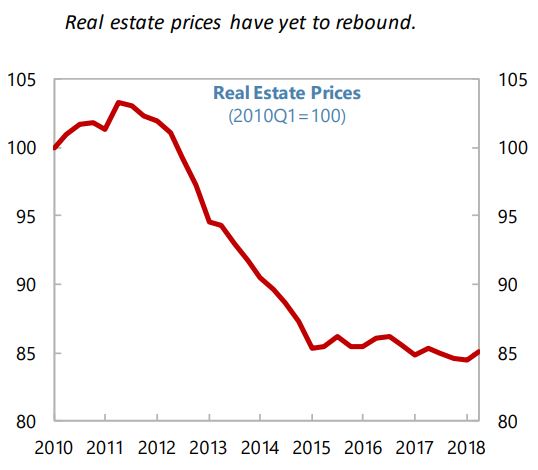
House Prices in Italy
From the IMF’s latest report on Italy:
Posted by at 11:29 AM
Labels: Global Housing Watch
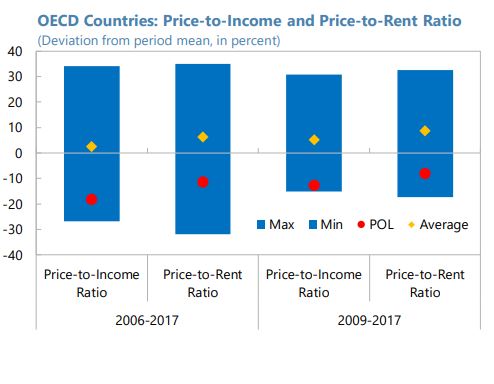
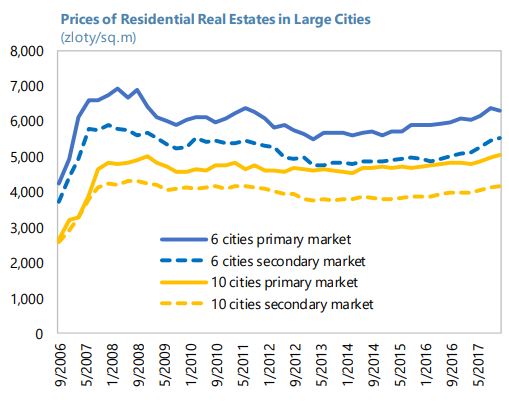
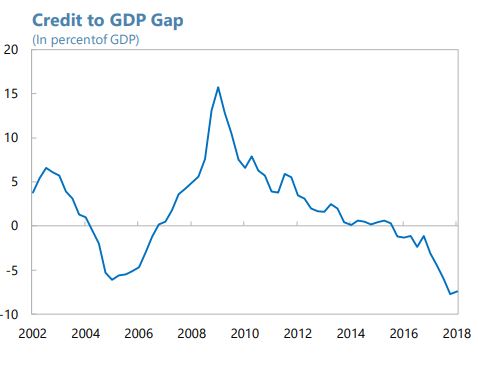
Housing Market in Poland
From the IMF’s latest report on Poland:
“Current strong housing demand is financed to a greater extent than before the GFC with buyers’ own resources. Rising construction costs have slowed the supply of new housing, and nominal house prices in some regions have risen to pre-GFC levels. Nonetheless, affordability remains comfortable owing to strong growth of household incomes.”
From the IMF’s latest report on Poland:
“Current strong housing demand is financed to a greater extent than before the GFC with buyers’ own resources. Rising construction costs have slowed the supply of new housing, and nominal house prices in some regions have risen to pre-GFC levels. Nonetheless, affordability remains comfortable owing to strong growth of household incomes.”

Posted by at 9:29 AM
Labels: Global Housing Watch
Sunday, February 3, 2019
58 Episodes of Hyperinflation (Venezuela is #23)
From Conversable Economist:
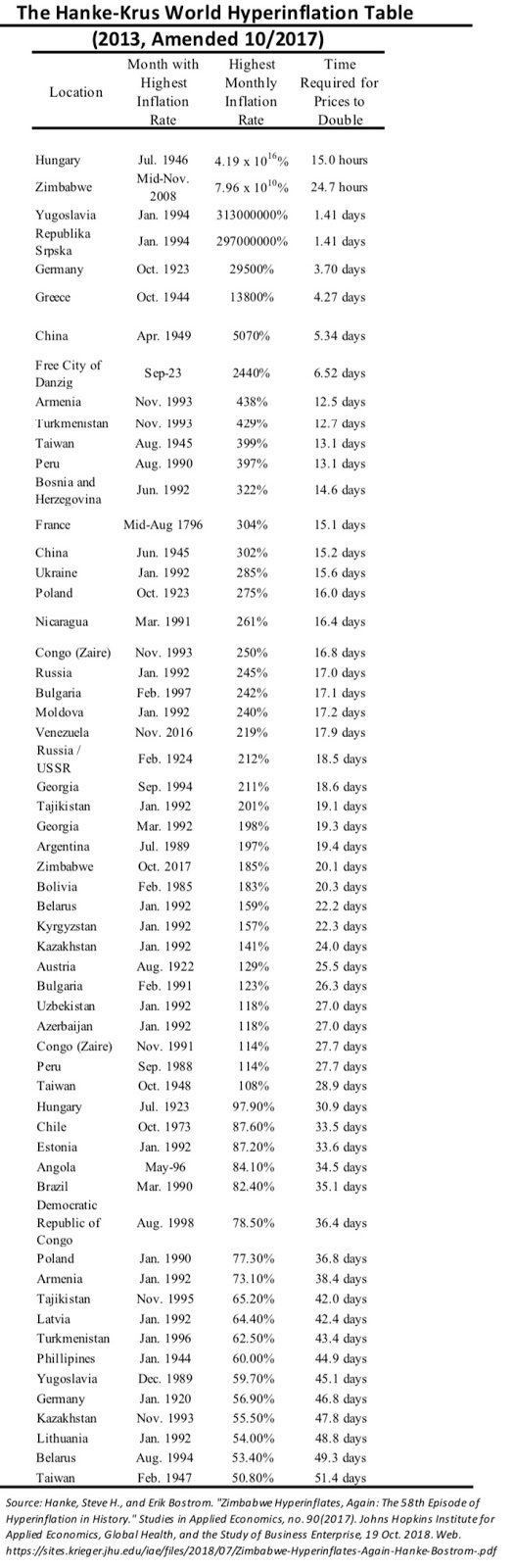
“Steve Hanke has devoted considerable effort to building up data on hyperinflations during the last century or so. He offers a quick overview of this work in Forbes (January 20, 2019). Below is his list of hyperinflations. When it comes to Venezuela, he writes:
Now, let’s turn to the world’s only current hyperinflation: Venezuela. It ranks as the 23rd most severe. Today, the annual rate of inflation is 120,810%/yr. While this rate is modest by hyperinflation standards, the duration of Venezuela’s hyperinflation episode, as of today, is long: 27 months. Only four episodes of hyperinflation have been more long-lived.
Here’s the table of all 58 hyperinflations:”
From Conversable Economist:
“Steve Hanke has devoted considerable effort to building up data on hyperinflations during the last century or so. He offers a quick overview of this work in Forbes (January 20, 2019). Below is his list of hyperinflations. When it comes to Venezuela, he writes:
Now, let’s turn to the world’s only current hyperinflation: Venezuela. It ranks as the 23rd most severe.
Posted by at 8:16 AM
Labels: Macro Demystified
Building an adequate U.S. labor and social protection system for the 21st century
From a working paper by Sandra Polaski:
“This paper reviews the erosion of labor and social protections for U.S. workers and households over recent decades. It discusses the causes and the relative weight of different elements of the erosion in order to bring clarity to the discussion of needed reforms. It proposes a framework of policy objectives and principles to guide choices for reform among policy alternatives in the specific U.S. context. The paper also explores the relative merits of some alternative proposals to address these challenges. The prospects for political and legislative action to create a viable modern social and labor protection system are discussed. The paper concludes that updating and strengthening existing elements of the U.S. system provides a firm foundation for creating an adequate U.S. labor and social protection floor for the 21st century, if critical additional rights and programs are built on and integrated into this foundation.”
From a working paper by Sandra Polaski:
“This paper reviews the erosion of labor and social protections for U.S. workers and households over recent decades. It discusses the causes and the relative weight of different elements of the erosion in order to bring clarity to the discussion of needed reforms. It proposes a framework of policy objectives and principles to guide choices for reform among policy alternatives in the specific U.S.
Posted by at 8:13 AM
Labels: Inclusive Growth
Housing Market in the United Arab Emirates
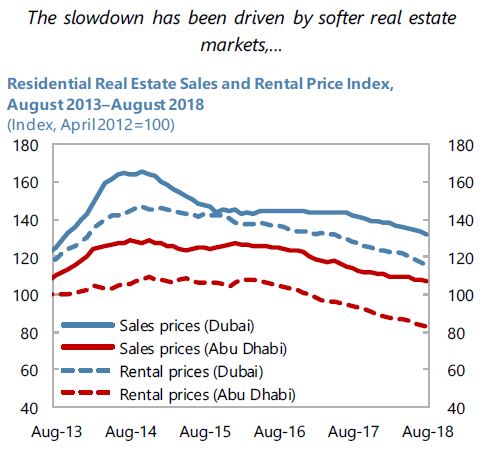
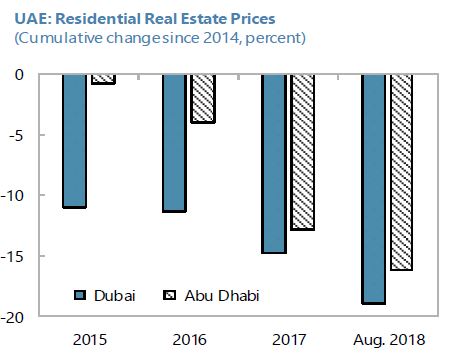
From the IMF’s latest report on UAE:
“A sharp deepening in the real estate downturn and weakening asset quality could constrain bank lending, which in turn could hold back the recovery.”
“Given the risk of spillovers from declining real estate prices, staff urged the CBU to resist calls for relaxing prudential limits on real estate lending. The authorities are preparing to develop a new bank resolution regime; in the meantime, staff encouraged the CBU to discuss contingency plans for banks in case of an abrupt tightening of financial conditions or other adverse shocks.”
From the IMF’s latest report on UAE:
“A sharp deepening in the real estate downturn and weakening asset quality could constrain bank lending, which in turn could hold back the recovery.”
“Given the risk of spillovers from declining real estate prices, staff urged the CBU to resist calls for relaxing prudential limits on real estate lending. The authorities are preparing to develop a new bank resolution regime; in the meantime,
Posted by at 8:09 AM
Labels: Global Housing Watch
Subscribe to: Posts