



Wednesday, January 20, 2016
Housing Market in Ireland
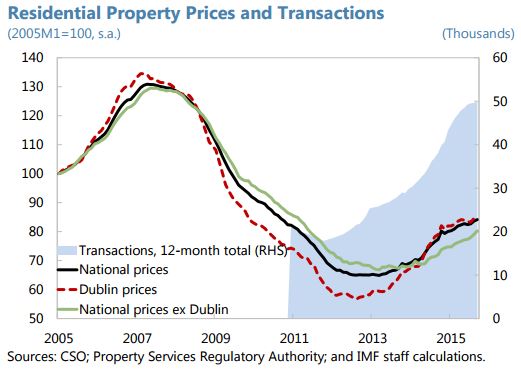
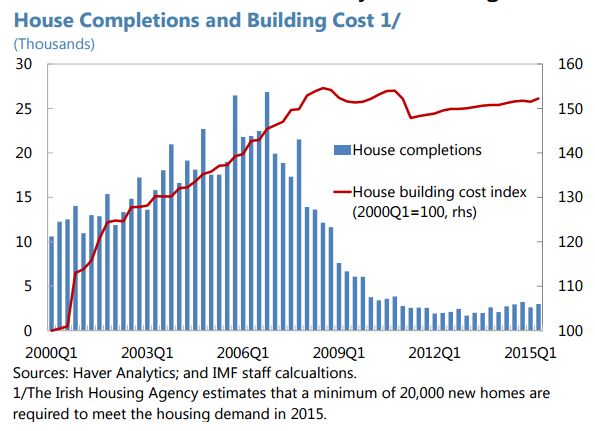
“Housing prices have risen by about 33 percent since their nadir in 2013. Cash purchases have lately accounted for about half of total housing purchases. Nonetheless, the CBI’s announcement in October 2014 of macroprudential measures (in force since February 2015) has been associated with moderating expectations of future price increases, and has thus reduced the speculative demand for housing. Though slower, the rate of housing price appreciation continues, in part reflecting a weak supply response”, according to the IMF’s new report on Ireland. Read the full article…
Posted by at 5:08 PM
Labels: Global Housing Watch
Thursday, January 14, 2016
Housing Developments and Macroprudential Measures in Slovak Republic
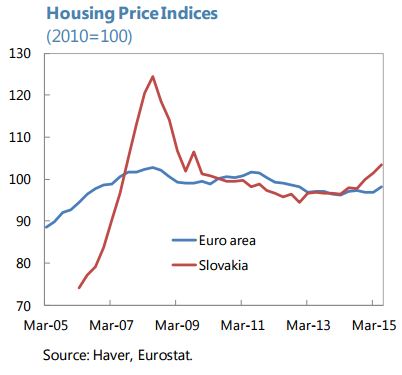
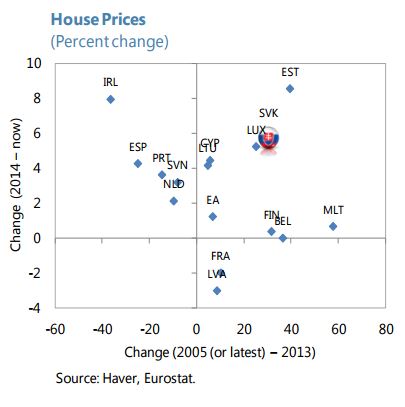
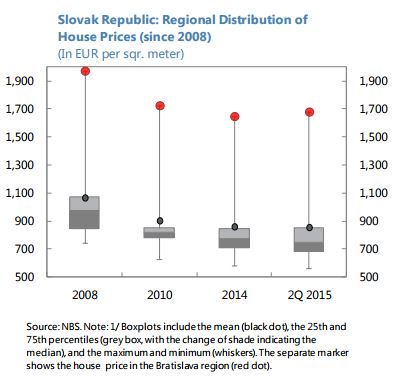

“Despite a relatively low level of private debt, and (still) high system-wide resilience to potential shocks, fast credit expansion could result in financial imbalances. This paper reviews current credit conditions and household indebtedness, and explores the need for tightening the macroprudential stance. It proposes a set of additional supervisory measures that would build on steps taken by the National Bank of Slovakia (NBS) and guard against adverse impacts on financial stability and the housing market from rapid credit growth. Read the full article…
Posted by at 4:34 PM
Labels: Global Housing Watch
Mortgage market in Poland
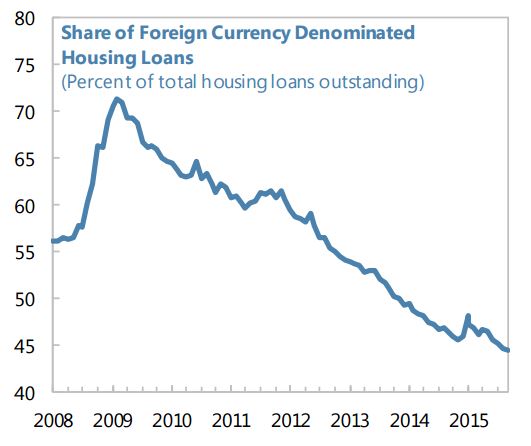
“Financial sector supervision has focused on mitigating vulnerabilities. While earlier tightening of prudential regulation has halted new FX lending, the Polish Financial Supervision Authority (KNF) has recently acted to limit risks associated with the still-high outstanding stock of foreign-currency mortgages. Banks with significant foreign-currency exposure have been requested to retain dividends and further boost capital. In staff’s view, these measures, along with case-by-case restructuring of distressed FX-denominated mortgages, should be sufficient to address vulnerabilities in this loan segment. Read the full article…
Posted by at 4:19 PM
Labels: Global Housing Watch
Wednesday, January 13, 2016
Effectiveness and Channels of Macroprudential Policies: Lessons from the Euro Area
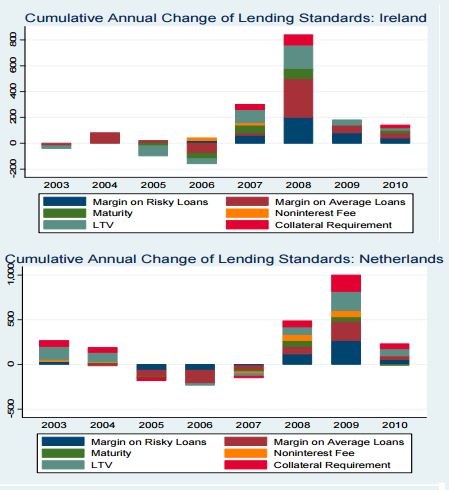
A new IMF paper develops an analytical framework using bank lending survey data to investigate the effectiveness of macroprudential measures in containing housing booms in the euro area, the channels of transmission of such measures and their interaction with monetary policy.
The authors findings suggest that macro-prudential instruments targeting the cost of bank capital would be effective in slowing down mortgage credit growth, and given similar channels of transmission, would reinforce the impact of monetary policy tightening. Read the full article…
Posted by at 8:09 PM
Labels: Global Housing Watch
Thursday, December 31, 2015
The Top Ten Blogs of 2015
1. Lower unionization associated with increased inequality: IMF F&D
2. Jobs & Inequality: Special Feature in Finance & Development
5. On Groundhog Day, Honoring A Forecasting Giant
6. On U.S. Labor Market Slack: Updated Estimates of the Impact of Uncertainty on Unemployment
7. Understanding China’s Housing Market
8. Uncertainty and U.S. Unemployment

Below is a list of the most read blogs of the year:
1. Lower unionization associated with increased inequality: IMF F&D
2. Jobs & Inequality: Special Feature in Finance & Development
3. Fund Fires Employment Guru?
4. India’s Housing Market: What’s happened? What’s next?
5. On Groundhog Day, Honoring A Forecasting Giant
6. On U.S. Labor Market Slack: Updated Estimates of the Impact of Uncertainty on Unemployment
7.
Posted by at 12:55 PM
Labels: Uncategorized
Subscribe to: Posts