Showing posts with label Global Housing Watch. Show all posts
Tuesday, August 12, 2014
House Prices in the Philippines
“In Q4:2013, prices of mid- and high-end condominiums in upscale areas of metro Manila (only available price series) rose by 13 percent, y/y, similar to growth rates that prevailed prior to the GFC. However, in real terms, condo prices remain below their peak that prevailed prior to the Asian financial crisis. This likely reflects in part the large supply increase in this market segment in recent years. In fact, according to the official Philippine Housing Industry Plan for 2012‒30, supply of units in the mid- and high -cost segments of the housing market is adequate, while the low-end of the market is characterized by severe shortages. Despite the recent price increases, residential price-to-rent ratios have remained relatively stable at around 14 percent,” says the IMF’s latest report on the Philippines.
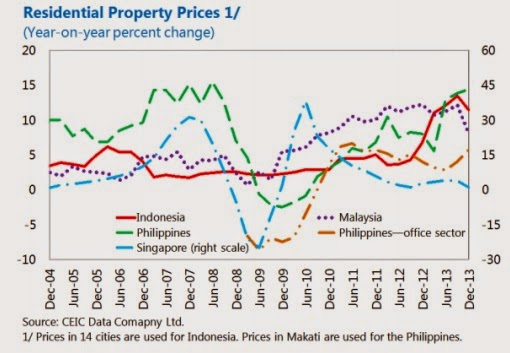
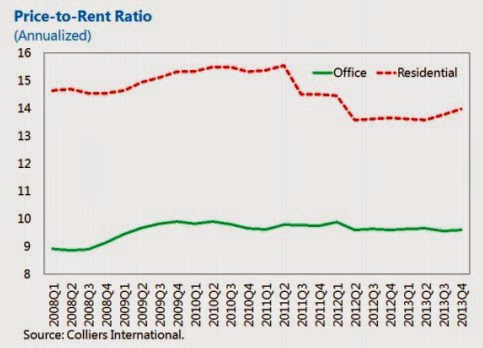
“In Q4:2013, prices of mid- and high-end condominiums in upscale areas of metro Manila (only available price series) rose by 13 percent, y/y, similar to growth rates that prevailed prior to the GFC. However, in real terms, condo prices remain below their peak that prevailed prior to the Asian financial crisis. This likely reflects in part the large supply increase in this market segment in recent years. In fact, according to the official Philippine Housing Industry Plan for 2012‒30,
Posted by at 5:46 PM
Labels: Global Housing Watch
House Prices in China
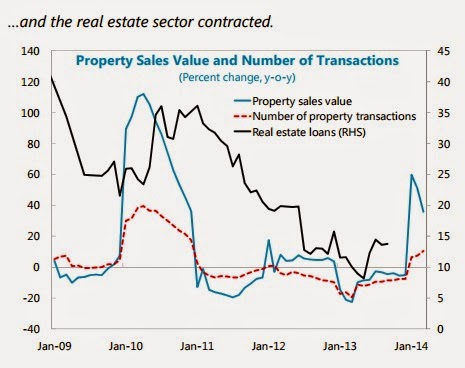
The real estate sector “(…) has shown growing signs of imbalances and activity has softened in 2014. The challenge is to allow for the necessary correction while preventing an excessively sharp slowdown. The contribution of real estate and construction to growth has been rising; last year, it accounted directly for 12.8 percent of value added, and about 33 percent if upstream and downstream sectors are included. Residential real estate is marked by substantial regional differentiation. Large cities have enjoyed favorable demand conditions—reflecting both underlying and speculative demand—and prices show signs of overvaluation relative to fundamentals, despite measures aimed at restricting speculative demand. In contrast, many smaller cities have experienced oversupply as local governments promoted large-scale development to boost growth and used land sales to finance local government spending. Supply seems to have outpaced demand in many areas as evidenced by muted price increases and rising inventories. The commercial real estate market appears to be in oversupply in both smaller and bigger cities,” according to the latest IMF report on China.
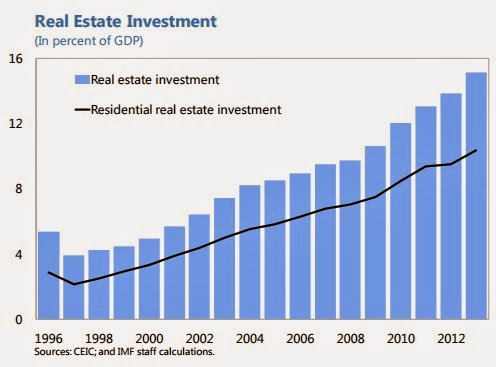
The real estate sector “(…) has shown growing signs of imbalances and activity has softened in 2014. The challenge is to allow for the necessary correction while preventing an excessively sharp slowdown. The contribution of real estate and construction to growth has been rising; last year, it accounted directly for 12.8 percent of value added, and about 33 percent if upstream and downstream sectors are included. Residential real estate is marked by substantial regional differentiation.
Posted by at 8:43 PM
Labels: Global Housing Watch
Wednesday, July 30, 2014
House Prices in the United Kingdom
“(…) house prices are rising rapidly, and over an increasingly wide area. House price inflation is notably high in London, with levels now 32 percent above those before the crisis, reflecting strong foreign demand for premium properties, and demographic pressures (…). Price rises are becoming geographically more widespread, even though transaction volumes are still below historic averages overall,” says the latest IMF report on the United Kingdom.
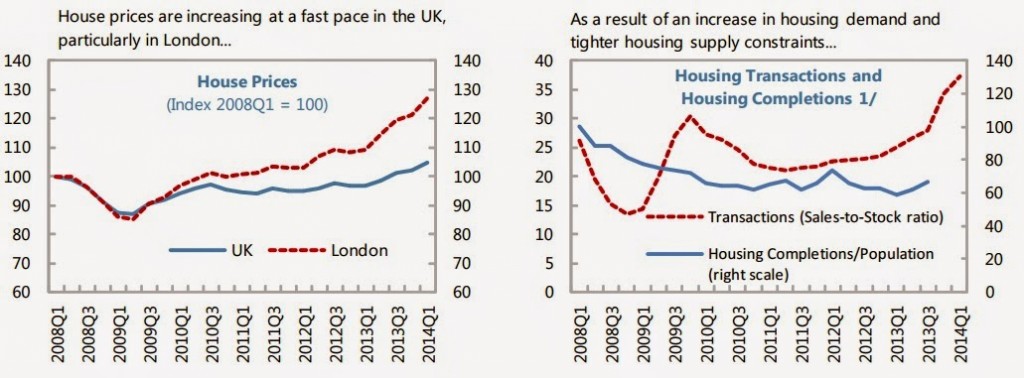
“(…) house prices are rising rapidly, and over an increasingly wide area. House price inflation is notably high in London, with levels now 32 percent above those before the crisis, reflecting strong foreign demand for premium properties, and demographic pressures (…). Price rises are becoming geographically more widespread, even though transaction volumes are still below historic averages overall,” says the latest IMF report on the United Kingdom.
Also, see a special analysis Read the full article…
Posted by at 6:33 PM
Labels: Global Housing Watch
Wednesday, July 23, 2014
House Prices in the United States
“After a promising recovery in housing activity for most of 2013, the past several months have seen a retreat characterized by weaker housing starts, declining residential investment, and subdued home sales. New mortgage origination has been particularly sluggish as credit availability remains constrained for lower-rated borrowers and mortgage rates have moved up by around 70 basis points from a year ago,” says the latest IMF’s economic report on the United States.
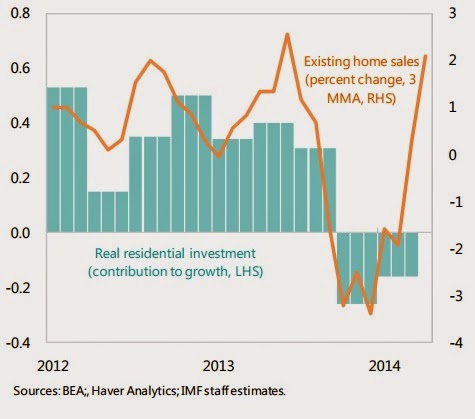
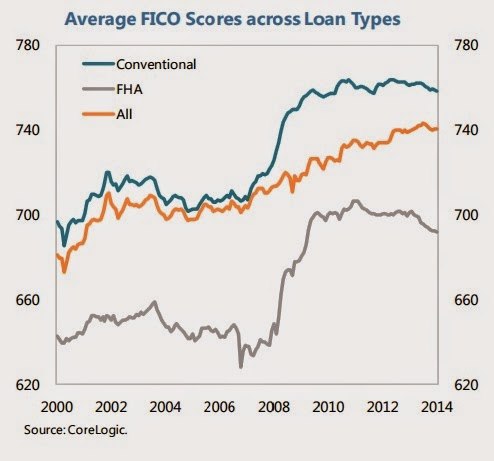
“After a promising recovery in housing activity for most of 2013, the past several months have seen a retreat characterized by weaker housing starts, declining residential investment, and subdued home sales. New mortgage origination has been particularly sluggish as credit availability remains constrained for lower-rated borrowers and mortgage rates have moved up by around 70 basis points from a year ago,” says the latest IMF’s economic report on the United States.
More specifically, Read the full article…
Posted by at 5:14 PM
Labels: Global Housing Watch
Subscribe to: Posts