Showing posts with label Global Housing Watch. Show all posts
Friday, December 19, 2014
Macro-Prudential Policies in Kuwait
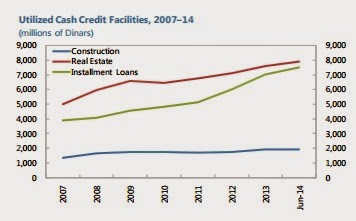
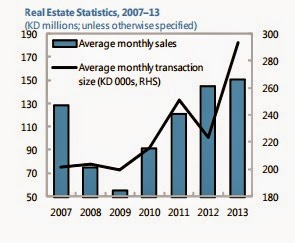
“The CBK has been proactive in introducing macroprudential regulations in line with international practices to mitigate potential financial stability risks. The main source of vulnerability to the banking system comes from credit concentration to the corporate sector and real estate, given the structure of Kuwait’s domestic market, which the central bank regulates through concentration limits. The main sectoral exposures of banks are in real estate, equity and household lending, the latter two regulated through ceilings on equity investments and debt-to-income limits, respectively. Having tracked increased activity in real estate, Read the full article…
Posted by at 8:20 PM
Labels: Global Housing Watch
Macro-Prudential Policies in Turkey
The latest IMF’s report on Turkey lists the recent macro-prudential policies implemented. To see the list click here. Read the full article…
Posted by at 8:08 PM
Labels: Global Housing Watch
House Prices in Netherlands
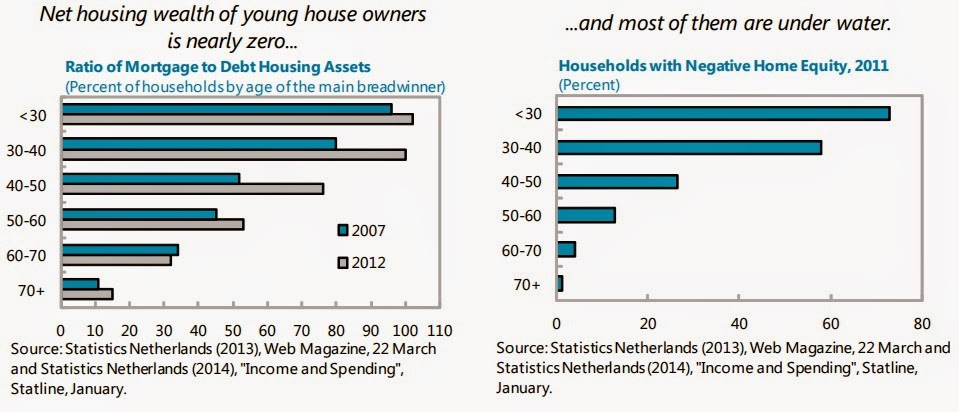
“The global recession and regulatory tightening have helped deflate the housing prices with the losses falling disproportionately on the younger generations. House prices have declined by 27 percent in real terms since their peak in late 2008. The deflation of Dutch housing prices has caused massive losses of wealth which are unevenly distributed across generations. Younger house buyers are burdened by the lion’s share of losses in housing wealth. In addition to greater housing losses, younger households have not have sufficient time to accumulate pension claims and other (financial) assets households under the age of 35 have negligible levels of net worth,” Read the full article…
Posted by at 8:02 PM
Labels: Global Housing Watch
Wednesday, December 10, 2014
IIMB-IMF Conference on Housing Markets, Financial Stability and Growth
Inaugural Address
R V Verma, Former Chairman, NHB
Session 1: Macroprudential Policies
Chair: Arvind Virmani, Former ED, IMF
Ratna Sahay, IMF
How to Manage Housing Booms: What Does the Cross-Country Evidence Show? (PPT)
Jihad Dagher, IMF
Housing Finance and Real Estate Booms: A Cross-Country Perspective
Discussant: Hans Genberg, Bank Negara Malaysia and SEACEN (PPT)
Session 2: Frontiers of Housing Research
Chair: Hans Genberg, Bank Negara Malaysia and SEACEN
Inho Song, Korea Development Institute
Housing as a Unique Asset
Discussant: Mico Loretan, Swiss National Bank (PPT)
Chetan Subramanian, IIM-Bangalore
Asset Price Bubbles and Endogenous Growth
Discussant: Romar Correa, University of Mumbai
Session 3: Housing Finance
Chair: K Kanagasabapathy, Former Adviser-in-charge, MPD, RBI
Veronica Warnock, University of Virginia
Developing Housing Finance Systems: A Global Perspective
Simon Walley, World Bank
Housing the World: Leveraging Private Sector Resources for the Public Good (PPT)
Frank Warnock, University of Virginia
Housing Finance in Latin America: What is Holding it Back?
Discussants: R. S. Deshpande, Former Director, ISEC
Devi Prasad, Former Director, FPI
Chair: R. S. Deshpande, Former Director, ISEC
Somik Lall, World Bank
Urbanization and Housing Investment (PPT)
Discussant: Frank Warnock, University of Virginia
Tony Venables, Oxford
Housing in African Cities: Why it Matters and What is Going Wrong (PPT)
Discussant: Ashima Goyal, IGIDR, Mumbai (PPT)
Chair: Ashima Goyal, IGIDR, Mumbai
Hites Ahir, IMF
House Prices in Emerging Markets (PPT)
Mick Silver, IMF
Real Estate Price Measurement: Availability and Importance (PPT)
Discussant: Manoranjan Sharma, GM, Canara Bank
Alessandro Rebucci, Johns Hopkins University
Capital Flows, House Prices and the Macroeconomy (PPT)
Discussant: Mick Silver, IMF (PPT)
Chair: Alok Sheel, Secretary, Government of India
Presenter: H. A. C. Prasad, MoF, Gol; Lalit Kumar, National Housing Bank and Charan Singh, IIM-Bangalore
Housing Market in India (PPT)
Roundtable: Senior management from State Bank of India, ICICI, State Bank of Mysore and Canara Bank
G. S. Sandhu, Former Secretary, Financial Services, MoF, GoI
Here are links to papers and presentations for the conference. A link to the speech by Ratna Sahay will be posted later. Scroll down for links to papers and presentations on housing finance (by Frank Warnock, Veronica Warnock, Simon Walley); on urbanization (Somik Lall, Tony Venables); house prices in emerging markets (Hites Ahir, Mick Silver and Alessandro Rebucci); and the housing market in India (H. A. C. Prasad, Lalit Kumar, and Charan Singh). Also, see a blog by Min Zhu on Managing House Price Booms in Emerging Markets, Read the full article…
Posted by at 10:51 AM
Labels: Global Housing Watch
Wednesday, October 22, 2014
House Prices in Cyprus
“The [housing market] boom, which took place during 2004–08, was among the largest in the euro-area, and was driven by FDI and rapid credit growth. The bust was triggered by a decline in FDI following the onset of the global crisis in 2008 and was exacerbated by falling domestic output and employment starting with 2009. Despite their sizeable decline to date, housing prices may have further room to fall before reaching equilibrium. House prices have already declined by 26 percent since their peak in 2008. However, according to common house price ratios, the overvaluation gap is around 0–20 percent, with an average across methodologies of 7 percent. According to a housing market model, the valuation gap is around 14 percent,” says a new IMF study on the Housing Market in Cyprus: From Boom to Bust. Read the complete study here.
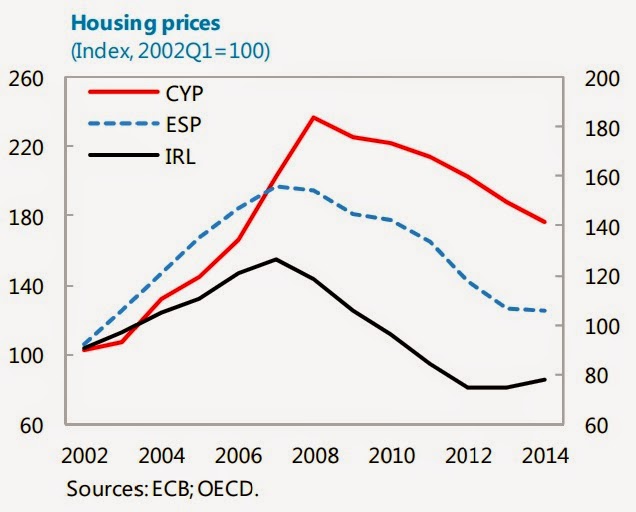
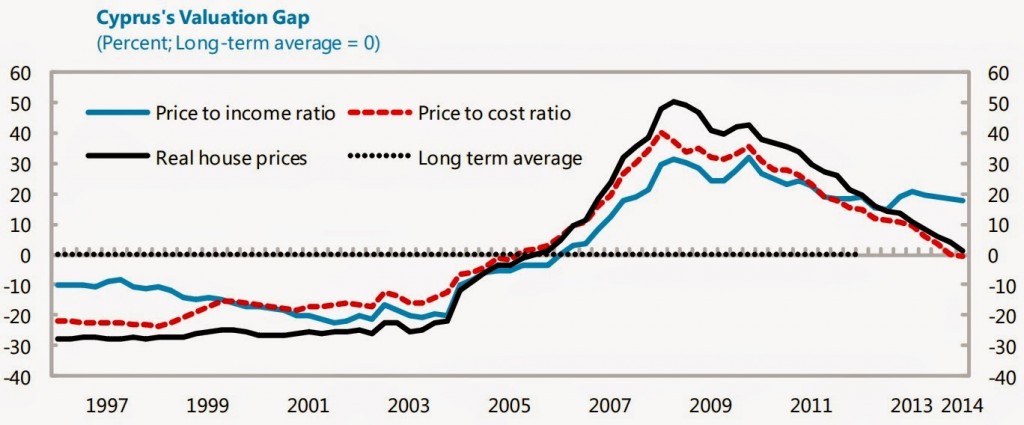
“The [housing market] boom, which took place during 2004–08, was among the largest in the euro-area, and was driven by FDI and rapid credit growth. The bust was triggered by a decline in FDI following the onset of the global crisis in 2008 and was exacerbated by falling domestic output and employment starting with 2009. Despite their sizeable decline to date, housing prices may have further room to fall before reaching equilibrium. House prices have already declined by 26 percent since their peak in 2008.
Posted by at 3:39 PM
Labels: Global Housing Watch
Subscribe to: Posts